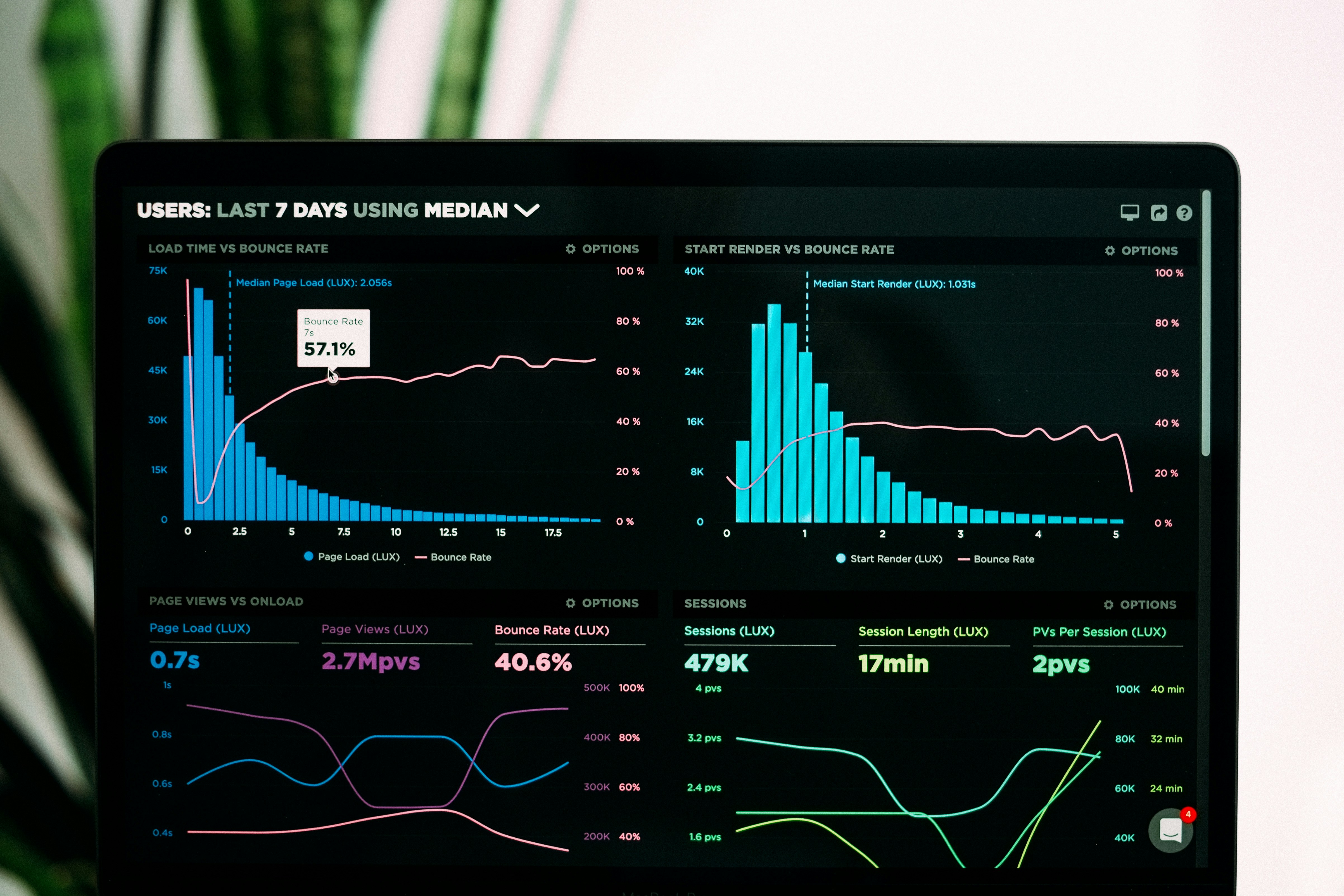
The Enterprise Data Problem
Enterprise data is inherently fragmented. Organizations rely on multiple systems including databases, analytics tools, and document repositories. While each system serves a purpose, they rarely integrate effectively.
In practice, this means employees often switch between tools just to answer a single question. From what I observed, this constant context-switching is one of the biggest hidden inefficiencies in organizations.
Time Inefficiency
Employees spend excessive time searching instead of analyzing.
Data Silos
Information is isolated across multiple systems.
Limited Accessibility
Non-technical users struggle to extract insights independently.
Traditional BI tools provide structured insights, but they lack flexibility. Search systems, on the other hand, lack contextual understanding. This creates a gap where data exists but is not easily usable.

How RAG Transforms Data Access
Retrieval-Augmented Generation enhances AI by grounding responses in real-time enterprise data. Instead of generating answers blindly, it retrieves relevant information before generating a response.
What makes this interesting is that the model is no longer just predicting — it is actually referencing data. This significantly improves reliability, especially in domains where accuracy matters.
From a system perspective, this simple pipeline changes how users interact with data — turning static systems into interactive knowledge assistants.

Real-World Enterprise Applications
RAG is already being adopted across industries due to its ability to simplify complex workflows.
Customer Support
AI systems retrieve knowledge base content and respond instantly.
Finance & Analytics
Analysts can access reports without manually navigating dashboards.
Healthcare
Supports faster access to patient data and research insights.
These use cases highlight how RAG reduces manual effort and improves response accuracy across different teams.
Future of RAG in Enterprises
RAG is expected to become a core component of enterprise AI systems, enabling seamless interaction between users and large datasets.
However, one important limitation I noticed is that the quality of output depends heavily on the quality of retrieved data. If the underlying data is outdated or incomplete, the generated response can still be misleading.
Going forward, improvements in data pipelines, vector search, and governance will play a key role in making RAG systems more robust and reliable.